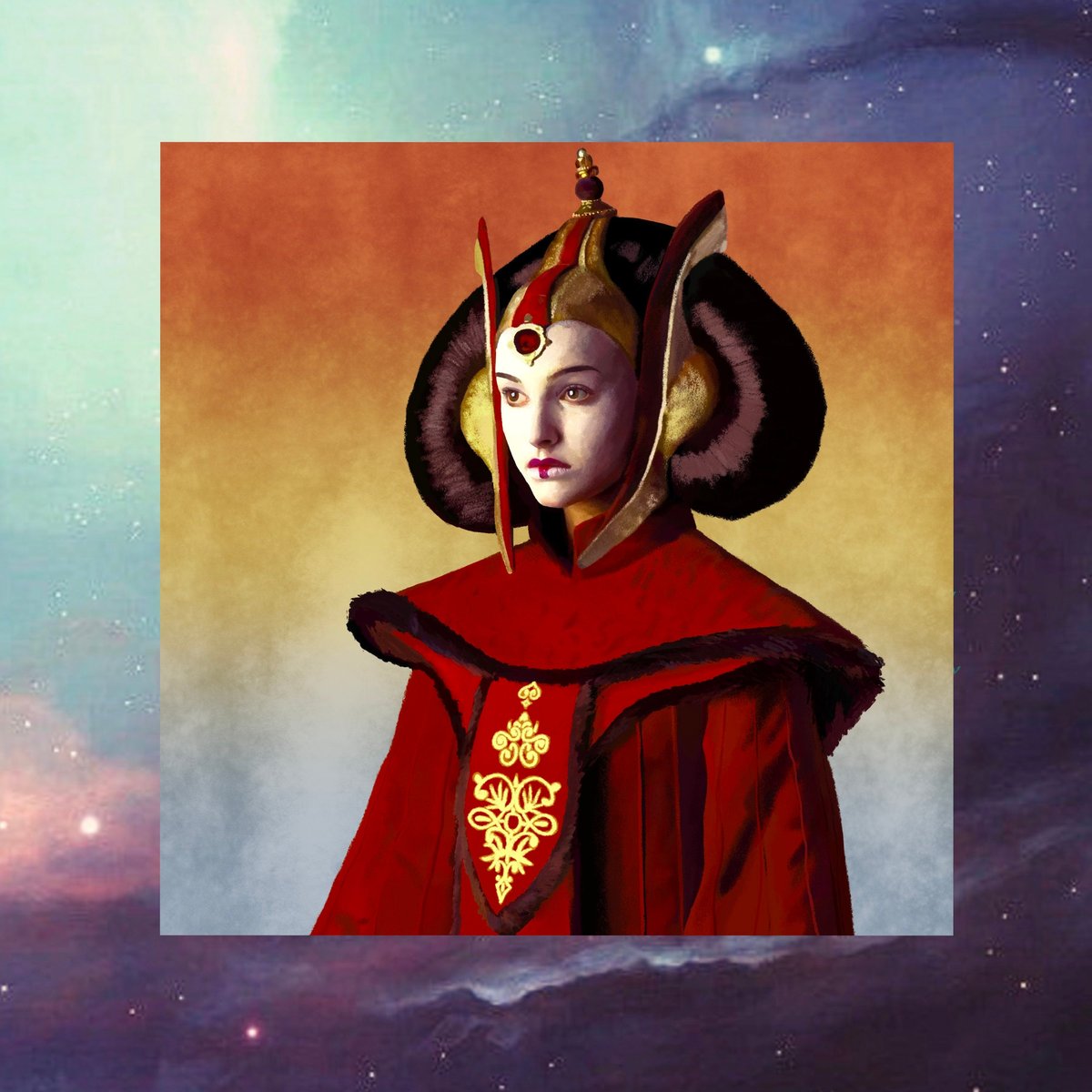
Imagine a 14-year-old, thrust onto the galactic stage, charged with the fate of an entire planet. That's the extraordinary premise behind Queen Amidala's early ascension to power and her royal responsibilities—a journey far more complex and perilous than many realize. Long before the lightsaber duels and grand battles of the prequel trilogy, Padmé Naberrie was navigating a treacherous political landscape, learning to lead, and coming of age under the immense pressure of a queen's crown.
This isn't just about ceremonial duties; it's about a young woman forging her identity while embodying the spirit of Naboo, protecting its people, and outmaneuvering powerful, sinister forces. Her early reign, vividly explored in E.K. Johnston's novel "Queen's Peril," offers a crucial window into the making of one of Star Wars' most iconic and resilient figures.
At a Glance: Key Insights into Padmé's Early Reign
- Youthful Monarch: Padmé Amidala was only 14 when crowned Queen of Naboo, making her reign a profound coming-of-age story alongside political leadership.
- Political Minefield: She immediately faced the growing threat of the Trade Federation's predatory tactics, demanding shrewd diplomacy and strategic thinking.
- The Handmaiden System: Her handmaidens were far more than attendants; they were bodyguards, decoys, confidantes, and crucial strategic partners.
- Diplomacy Over Conflict: Padmé's early leadership emphasized negotiation, alliances, and intelligence gathering as primary tools against aggression.
- Naboo's Unique Culture: Her responsibilities were deeply intertwined with Naboo's commitment to peace, art, and democratic ideals, yet she had to prepare for war.
- Character Development: This period highlights Padmé's vulnerabilities, her rapid growth, and the personal sacrifices required of a queen.
The Unexpected Crown: Padmé Naberrie's Early Call to Service
Padmé Naberrie's journey to becoming Queen Amidala was not a gradual climb but a sudden, almost jarring elevation. At an age when many are just beginning to define themselves, Padmé was chosen by the people of Naboo to lead. This democratic tradition, where rulers are elected young and serve a limited term, means that every queen is, in essence, a child queen, though none perhaps as scrutinized or threatened as Amidala. Her selection was a testament to her intelligence, poise, and unwavering dedication to her planet's welfare, even at such a tender age.
The transition from Padmé Naberrie, a bright and compassionate Naboo citizen, to the regal persona of Queen Amidala, demanded a rapid and profound personal transformation. She had to master not only the intricacies of statecraft but also the art of public performance that came with the royal title. Every gesture, every word, every piece of elaborate attire was part of a carefully constructed facade designed to project strength, wisdom, and an unwavering commitment to her people.
Naboo's Elegant Burden: A Peaceful World Facing Galactic Threats
Naboo itself is a planet of profound beauty, defined by its lush landscapes, serene waterways, and a culture that prizes art, education, and peace above all else. Its governance reflects this ethos: a direct democracy where leaders serve by the will of the people, usually for a fixed term, before returning to civilian life. This peaceful foundation, however, made Naboo particularly vulnerable to the aggressive expansionism and economic manipulation rampant in the wider galaxy.
Padmé's early responsibilities were thus immediately shadowed by this inherent conflict: how to uphold Naboo's pacifist ideals while simultaneously protecting it from those who would exploit its gentility. The Trade Federation, a monolithic corporate entity driven by greed and a disregard for sovereign rights, loomed large even before the full-scale invasion. Their increasingly bold maneuvers—blockades, intimidation tactics, and economic strong-arming—were the initial tests of Padmé's leadership, forcing a young queen to confront the stark realities of galactic power politics head-on.
The Weight of the Crown: Navigating Early Crises and Political Webs
The moments following her coronation were anything but celebratory for Queen Amidala. Instead, she was plunged directly into a vortex of political intrigue and immediate danger. The primary antagonist during this nascent stage of her rule was undeniably the Trade Federation. Their campaign against free trade routes and their escalating demands posed a direct threat to Naboo's prosperity and autonomy. Padmé quickly realized that her responsibilities extended far beyond ceremonial duties; she was the chief diplomat, military strategist (in a non-military sense), and emotional anchor for her people.
Her challenges included:
- Diplomatic Deadlock: The Galactic Senate was often slow, bureaucratic, and susceptible to corporate lobbying, making it difficult for a relatively small planet like Naboo to gain meaningful support against the powerful Trade Federation. Padmé had to learn how to navigate these labyrinthine politics.
- Threats to Her Life: The Trade Federation didn't just target Naboo economically; they targeted its leadership. Assassination attempts became a grim reality, necessitating extreme security measures and tactical deception.
- Maintaining Public Morale: The constant threat created anxiety among Naboo's citizens. A core responsibility was to project an image of calm strength, assuring her people that their leadership was competent and resolute, even in the face of daunting odds.
- Strategic Alliances: Recognizing Naboo couldn't stand alone, Padmé understood the need to forge connections, both within the planet (with the Gungans, for example) and on the galactic stage. This required a keen understanding of other cultures and political motivations.
These early trials were crucial. They weren't just external conflicts; they were crucible moments that forged Padm��'s character, pushing her to evolve from an intelligent girl into a formidable leader. It was during this period that she began to develop the strategic mind and unwavering resolve that would define her later actions.
The Handmaiden Protocol: Guardians, Strategists, and Human Shields
Perhaps one of the most distinctive and fascinating aspects of Queen Amidala's early reign, as detailed in "Queen's Peril," is the integral role of her handmaidens. Far from mere attendants, these young women formed an elite, highly trained unit vital to Naboo's security and the queen's survival. Their selection was meticulous, their training rigorous, encompassing everything from royal etiquette and political theory to advanced self-defense and combat.
Key handmaidens like Sabé and Saché quickly became indispensable.
- Sabé: As Padmé's primary decoy, Sabé bore the heaviest burden. She was trained to perfectly mimic the Queen's speech, mannerisms, and even emotional responses, often stepping into perilous situations while the true Queen operated in a less exposed capacity. This required immense courage and a profound understanding of statecraft.
- Saché: Known for her analytical mind, Saché provided crucial intelligence and strategic insight. She was often Padmé's sounding board, helping to dissect complex political problems and formulate responses.
The handmaidens were more than just bodyguards or decoys; they were a collective brain trust, an extension of the Queen's will and intellect. They served as: - Confidantes: Offering emotional support and trusted counsel in the lonely world of a monarch.
- Intelligence Gatherers: Blending into various social settings to collect vital information.
- Strategic Advisers: Contributing to discussions and planning, often having unique perspectives due to their proximity to the Queen and their diverse skill sets.
- Emotional Shield: Bearing some of the psychological weight of the queen's public persona, allowing Padmé moments of genuine vulnerability with trusted allies.
This system was a testament to Naboo's innovative approach to security and leadership, born out of necessity and a deep understanding of human psychology. It allowed the young Queen to be both protected and strategically effective, splitting her public duties from her covert operations when necessary.
A Leader in Training: Diplomacy, Strategy, and Personal Growth
Padmé's ascension forced her into an accelerated course in leadership. Her education was no longer confined to classrooms; it was lived experience, shaped by high-stakes negotiations and life-threatening situations. The book "Queen's Peril" highlights this intense period of learning and growth.
She quickly grasped the power of diplomacy, understanding that words could be more potent than weapons. Her approach was often characterized by:
- Careful Negotiation: She sought common ground, even with adversaries, always prioritizing the well-being of Naboo.
- Strategic Patience: She learned to bide her time, gather information, and choose her moments for intervention wisely.
- Building Consensus: Internally, she worked to unite her people and her government, ensuring a cohesive response to external threats.
- Moral Authority: She consistently appealed to justice and fairness, leveraging Naboo's reputation as a peaceful world to garner sympathy and support.
This era also saw her personal growth blossom. How old is Padmé? at this time was just 14, making her capacity for such advanced strategic thinking and emotional resilience truly remarkable. She grappled with the loneliness of leadership, the necessity of personal sacrifice, and the moral ambiguities inherent in power. She learned to trust her instincts, to delegate effectively, and to inspire loyalty, not just through her title but through her actions and character. Her experiences forged the unwavering conviction and strength she would carry through the Clone Wars and beyond.
The Art of the Royal Persona: Balancing Authenticity and Duty
One of Padmé's most crucial and challenging responsibilities was maintaining the "Queen Amidala" persona. This wasn't merely a disguise; it was a psychological and emotional shield, meticulously crafted to protect both the ruler and the girl beneath the robes.
The purpose of the elaborate gowns, intricate hairstyles, and dignified demeanor extended beyond mere tradition:
- Projecting Authority: The regalia commanded respect, lending gravitas to a young monarch in a room full of seasoned politicians.
- Symbol of Naboo: The artistry of her attire showcased Naboo's culture and values, a silent statement of identity and defiance against homogenizing galactic forces.
- Psychological Barrier: It created a necessary distance between Padmé Naberrie, the vulnerable teenager, and Queen Amidala, the unshakeable leader. This allowed her to compartmentalize the immense pressure.
- Distraction and Diversion: The visual spectacle often served to draw attention, allowing for subtle cues and strategies to be employed by her handmaidens and her true self.
Yet, beneath this carefully constructed facade, Padm�� wrestled with the tension between her true self and her public role. She was a human being with doubts, fears, and a desire for normal life, but her responsibilities demanded a constant performance of strength. This struggle for authenticity within the confines of duty is a recurring theme, revealing the heavy toll of leadership on a young soul.
The Legacy of a Young Queen: Shaping Naboo's Future
Padmé's early reign, culminating in the events that directly precede "The Phantom Menace," fundamentally shaped the future of Naboo and her own destiny. Her decisions and leadership during this period set the stage for the pivotal alliances and strategies that would ultimately liberate her planet from the Trade Federation's occupation.
Her commitment to peaceful resolution, even when pushed to the brink, solidified Naboo's identity in the galaxy. At the same time, her pragmatic understanding of the need for self-defense and unconventional tactics (like allying with the Gungans) demonstrated a flexibility that belied her years. She proved that true strength doesn't always lie in military might, but in intelligence, diplomacy, and the courage to make difficult choices.
This period wasn't just a prelude; it was an intensive foundational course. The lessons learned, the alliances forged, and the character traits solidified during her early ascension to power directly informed her future role as a Senator, her unwavering stance during the Clone Wars, and ultimately, her enduring legacy in the Skywalker saga.
Beyond the Prequels: Why "Queen's Peril" Matters
For fans seeking a deeper understanding of Padmé Amidala, "Queen's Peril" is essential reading. E.K. Johnston's novel masterfully enriches the existing Star Wars canon by:
- Humanizing a Legend: It provides intimate insights into Padmé's inner world, making her struggles and triumphs feel profoundly real and relatable. You see the girl behind the crown, grappling with fears and responsibilities.
- Expanding World-Building: The book vividly portrays Naboo's culture, political systems, and stunning landscapes, adding layers of depth to a world often seen primarily through the lens of conflict.
- Enhancing the Handmaidens' Role: It elevates the handmaidens from mere background characters to crucial players, highlighting their intelligence, bravery, and complex relationships with the Queen.
- Foreshadowing Future Events: It seamlessly integrates lore and subtly hints at future developments in "The Phantom Menace" and beyond, adding a richer context to the prequel era.
While some might note the book's focused scope, primarily staying on Naboo and occasionally featuring pacing that mirrors the slow burn of political intrigue, these aspects are precisely what allow for its rich character development and world-building. It's a character-driven narrative that prioritizes the nuances of diplomacy and strategy over grand-scale battles, offering a unique perspective within the Star Wars universe.
Embracing the Crown: Lessons from Naboo's Young Queen
Queen Amidala's early ascension to power and her responsibilities offer profound lessons in leadership, resilience, and the true cost of duty. Her story teaches us that:
- Age is not a barrier to leadership: Padmé proved that wisdom, courage, and dedication can emerge from unexpected places, regardless of youth.
- Vulnerability can be a strength: Her ability to admit fear, seek counsel, and rely on her team made her a more effective and empathetic leader, not less.
- The power of a collective: The handmaiden system underscores the importance of a trusted, diverse team in supporting and extending a leader's capabilities.
- Diplomacy is a potent weapon: In a galaxy often driven by conflict, Padmé's commitment to negotiation and peaceful solutions often yielded more lasting results.
- True leadership requires sacrifice: Her personal life was irrevocably altered, her safety constantly jeopardized, all for the sake of her people.
Padmé Amidala's journey as a young queen is a powerful narrative of transformation. It’s a testament to the idea that even the most formidable figures start somewhere, facing overwhelming odds and finding strength they didn't know they possessed. Her early responsibilities didn't just shape her; they laid the groundwork for the fate of an entire galaxy.